THE ART OF BEING SEEN
Living with a chronic illness comes with its own special lens. Depending on where you are in your journey, there comes a time when being perceived is the last thing you desire to experience. Sometimes all you want to do is crawl up in a ball and shield yourself from the world. With perception comes opinions. As chronically ill girlies, we get enough unsolicited advice. Trust me, I get it.
When I was diagnosed in 2019, the last thing I saw for myself was being at the forefront of MS advocacy, let alone becoming an ILLfluencer. What I wanted was to be left alone. I wanted to drown in my feelings and make sense of this new reality. There were times when I wanted to disappear altogether. The truth is, nothing prepares you for that first conversation when the doctor says, “I’'m sorry, you have …” followed by a diagnosis that changes your life forever.
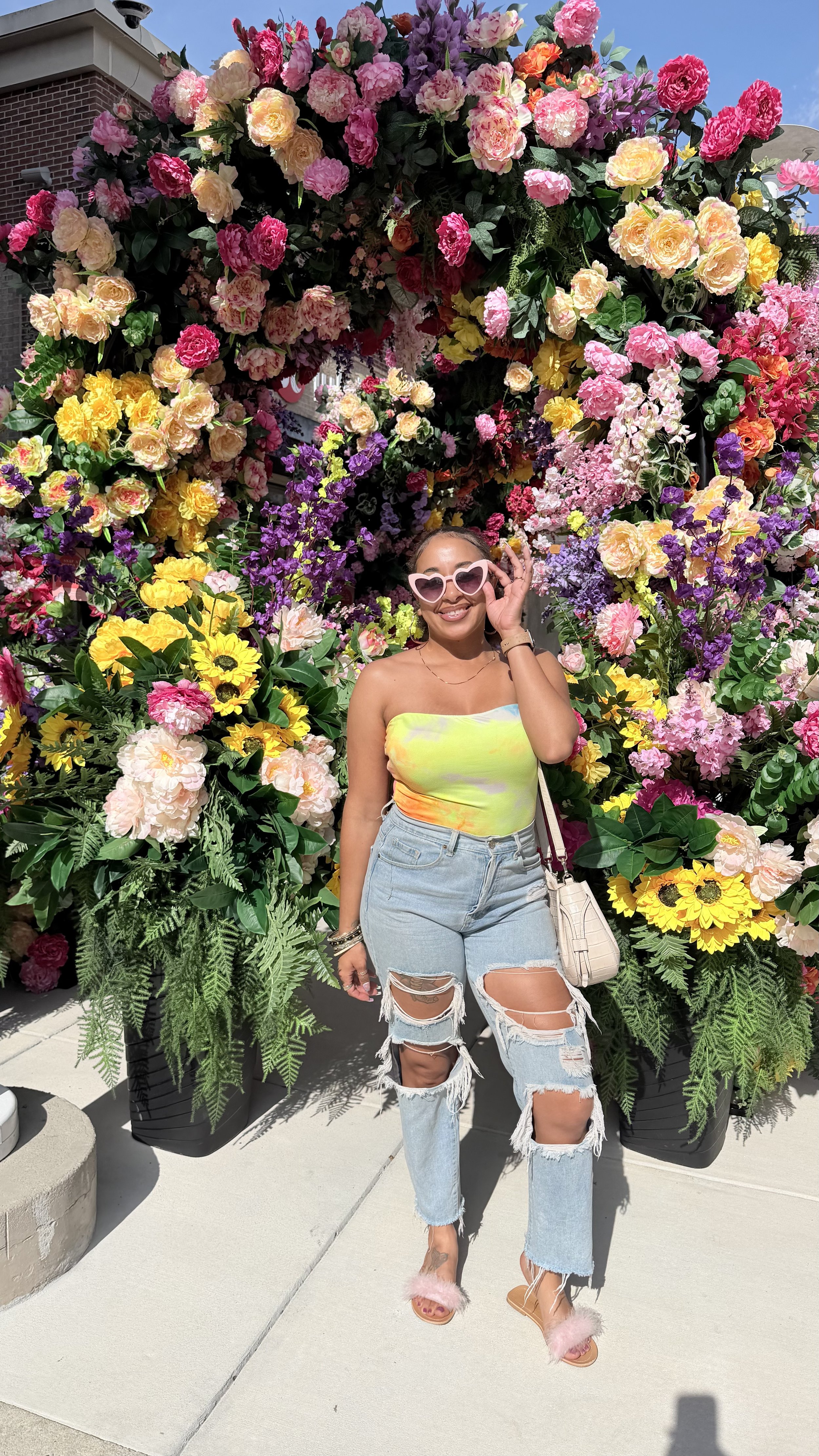
What I’ve come to learn is that you can allow yourself to be seen without putting yourself completely on display. I'm not asking you to become an ILLfluencer or an advocate. That may not be your thing or your calling. What I am asking is that you give yourself permission to show up fully as yourself, even with the diagnosis you now carry.
Being seen doesn’t mean everyone deserves access to your story. It doesn’t mean you owe people explanations about your symptoms, your treatment plan, or why your body can’t do what it used to do. There is a difference between being visible and making yourself available for everyone's opinions.
Ironically, allowing myself to be seen has been one of the most healing parts of my journey. Sharing pieces of my experience has helped me advocate for myself in doctor’s appointments, with loved ones, and in everyday conversations. It has also created space for others living with invisible illnesses to say, “Me too” and feel less alone in their experience.
There’s something incredibly powerful about feeling seen in an illness that so often goes unseen. MS is considered an invisible illness, but there is nothing invisible about the way it impacts your body, your mind, your relationships, or your identity. Just because someone can't see your symptoms doesn't mean you aren't carrying them every single day.
I used to think hiding would protect me. If no one knew, I wouldn't have to answer questions. If no one saw me, no one could make assumptions. But hiding also meant shrinking parts of myself that still deserved to exist.
These days, I choose a different kind of visibility. One rooted in honesty instead of performance. One that allows me to share what feels true while protecting what feels sacred. I've learned that boundaries and authenticity can exist in the same space.
If my willingness to share even a small part of my story helps someone else feel less alone, then being seen has served a purpose greater than my own healing. Maybe that's the art of being seen. Not putting every part of yourself on display, but allowing the parts you're ready to share to remind someone else that they are not alone.
Because your diagnosis may be invisible to the world, but you don’t have to make yourself invisible because of it.